Music has always reflected the experiences, struggles, and celebrations of communities. Among America’s most influential musical traditions, blues and Americana share a deep connection that continues to shape contemporary music. Both genres draw inspiration from everyday life, cultural heritage, and the emotional power of storytelling. Although they developed through different historical paths, their shared roots reveal how musical traditions influence one another. By exploring their origins, instruments, storytelling techniques, and modern interpretations, listeners can better understand the enduring relationship between blues and Americana.
Understanding the Historical Roots of Blues
Blues emerged from African American communities in the Southern United States during the late nineteenth century. Its development reflected the experiences of people who used music to express hardship, resilience, hope, and personal identity. African American spirituals, work songs, and other musical traditions helped establish the foundations of blues music.
As the genre developed, musicians introduced distinctive vocal expressions, repeating chord patterns, and emotional melodies. These characteristics allowed performers to communicate powerful feelings through relatively simple musical arrangements. Moreover, blues artists created a musical language that influenced several American genres, including jazz, rock, country, and rhythm and blues.
The Great Migration also helped blues reach new audiences. As African Americans moved from the rural South to northern cities, they brought their musical traditions with them. Consequently, blues evolved into new regional styles while maintaining its emotional and cultural foundations.
How Americana Developed From Diverse Traditions
Americana represents a broad musical category that brings together several American roots traditions. These include folk, country, bluegrass, gospel, and blues. Rather than following one fixed musical formula, Americana embraces different sounds that reflect the country’s cultural diversity.
Historically, American roots music developed through interactions among African American, European American, and other communities. Musicians exchanged instruments, melodies, rhythms, and storytelling techniques across regional and cultural boundaries. As a result, many styles developed overlapping characteristics that remain recognizable today.
Furthermore, Americana emphasizes authenticity, musical craftsmanship, and connections to traditional sounds. Contemporary artists often combine older influences with modern production techniques. This flexibility allows Americana to preserve historical musical elements while welcoming new creative approaches.
Storytelling as a Shared Musical Foundation
One of the strongest connections between blues and Americana lies in their commitment to storytelling. Both traditions give musicians opportunities to explore personal experiences, social challenges, relationships, and emotional struggles.
Blues musicians frequently use direct language and repeated lyrical phrases to communicate powerful emotions. Their songs often describe difficult experiences while expressing determination and resilience. Consequently, audiences can connect with the music even when their personal circumstances differ from those of the performer.
Similarly, Americana artists often construct songs around detailed narratives. They may describe family relationships, rural communities, changing landscapes, or personal journeys. Although their storytelling approaches sometimes differ, both genres value sincere expression over unnecessary complexity.
This emphasis on meaningful lyrics also strengthens the relationship between performers and listeners. When musicians share recognizable experiences, their songs become more than entertainment. Instead, they create emotional connections that can remain meaningful across generations.
The Instruments That Connect Both Genres
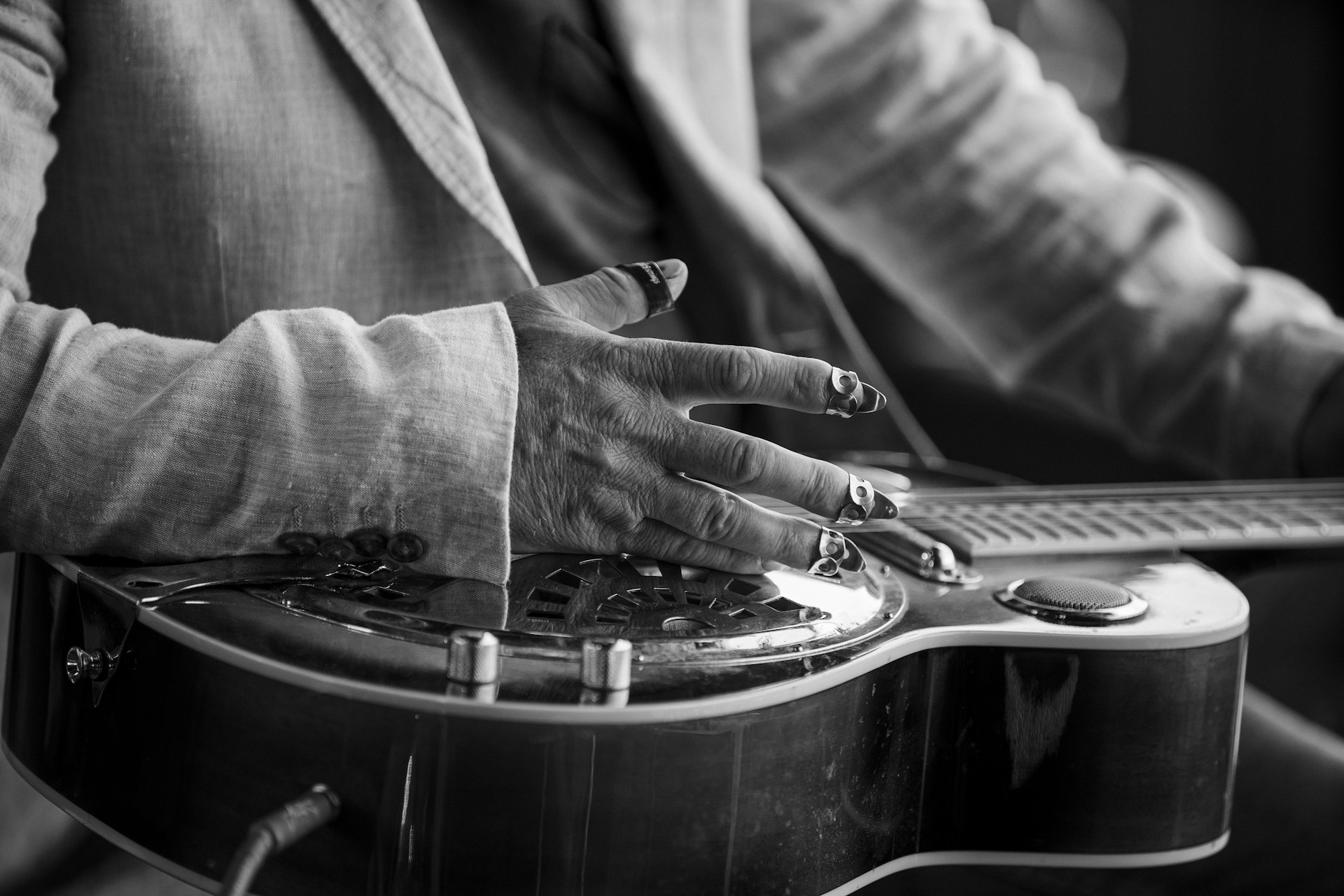
Blues and Americana share several important instruments, particularly acoustic and electric guitars. In both traditions, musicians use guitars to establish rhythm, communicate emotion, and develop memorable melodies.
Blues guitarists often rely on expressive techniques such as string bending, sliding notes, and call-and-response phrasing. These methods create distinctive sounds that resemble the emotional qualities of the human voice. Meanwhile, Americana musicians frequently use fingerpicking, strumming, and traditional acoustic arrangements to support their storytelling.
Additionally, instruments such as harmonicas, fiddles, banjos, and mandolins contribute to the broader American roots music landscape. Their presence varies across different musical styles, but they help connect contemporary performances with earlier traditions.
Although modern technology has expanded recording possibilities, many musicians continue to favor organic instrumental sounds. Therefore, both blues and Americana maintain strong connections to live performance and traditional musicianship.
The Influence of Southern Musical Culture
The American South played a central role in the development of both blues and many traditions associated with Americana. Communities throughout the Mississippi Delta, Louisiana, Tennessee, and neighboring regions contributed musical ideas that spread across the country.
Regional musical exchanges encouraged artists to experiment with different rhythms, instruments, and vocal approaches. For example, blues influenced country musicians, while gospel traditions shaped performers across numerous genres.
Furthermore, local gatherings, churches, dance halls, and community events provided spaces where musicians could develop their skills. These environments supported musical creativity while helping traditions pass from one generation to another.
Today, Southern musical heritage remains an important source of inspiration. Many contemporary artists continue to explore regional influences while developing sounds that reflect their individual experiences.
How Modern Artists Blend Blues and Americana
Contemporary musicians frequently combine blues and Americana because the genres share compatible musical foundations. Rather than maintaining strict boundaries, artists draw from multiple traditions to create distinctive recordings and performances.
For instance, a modern Americana song might feature blues-inspired guitar playing alongside folk-style storytelling. Similarly, a blues performer may incorporate country rhythms or acoustic arrangements without abandoning the genre’s expressive character.
Digital platforms have also introduced these musical traditions to broader audiences. Through streaming services and online performances, listeners can discover historical recordings alongside emerging artists. Consequently, musicians have more opportunities to connect traditional influences with modern audiences.
However, successful musical blending requires respect for the history behind each style. Artists who understand the cultural foundations of their influences can create thoughtful interpretations while acknowledging the traditions that shaped their music.
Preserving a Shared Musical Legacy
Blues and Americana continue to influence American music because they connect artistic expression with lived experience. Their shared emphasis on storytelling, instrumental skill, and cultural memory gives both traditions lasting relevance.
Music festivals, educational programs, independent venues, and community performances help introduce these styles to younger generations. At the same time, contemporary musicians preserve traditional techniques by incorporating them into new compositions.
Ultimately, the relationship between blues and Americana demonstrates how musical traditions grow through cultural exchange and creative interpretation. Although each genre maintains distinctive characteristics, both celebrate the power of honest storytelling and meaningful musical expression. By recognizing their shared heritage, audiences can develop a deeper appreciation for the sounds that continue to shape American music.